What is the Incarnation?
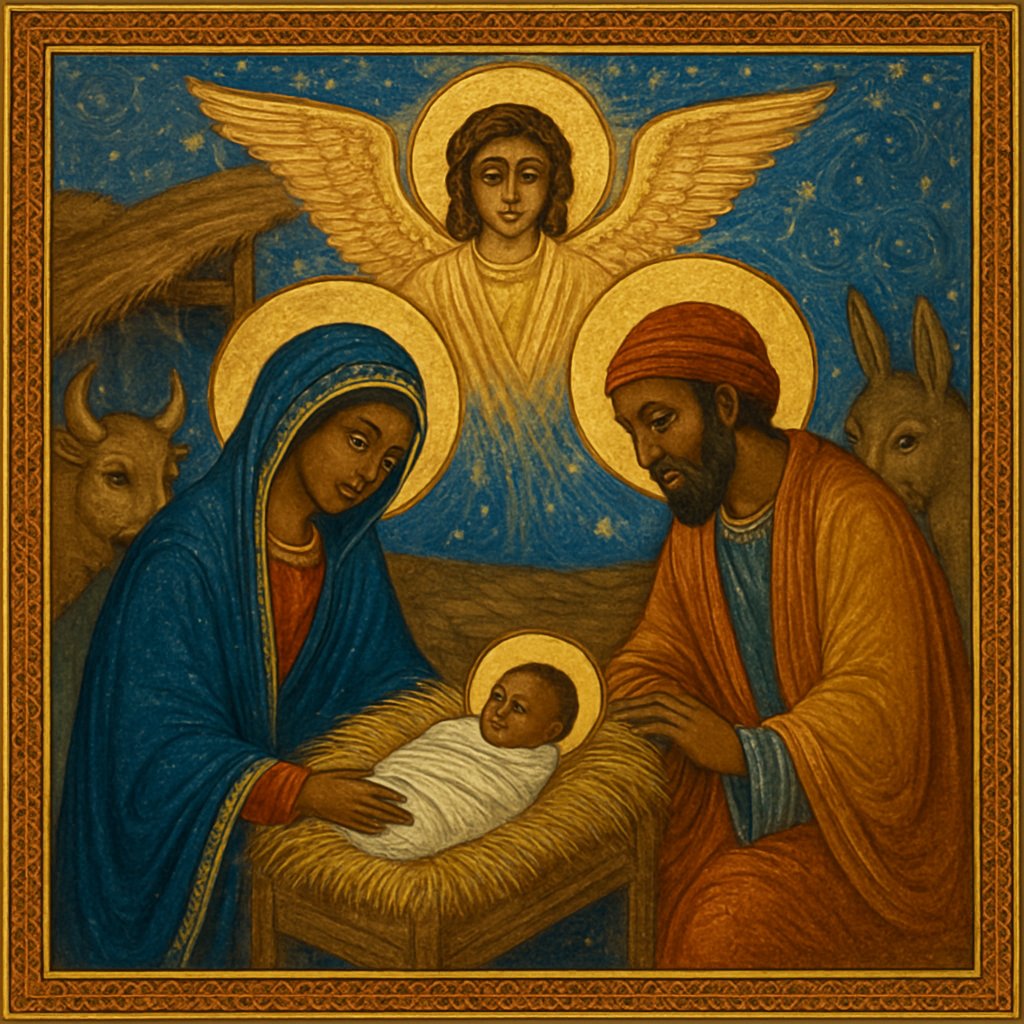
The Incarnation refers to the event of God the Son, the second Person of the Trinity, Jesus Christ becoming human so that He might live a perfectly holy life, fulfil the Law of God and die in our place for our sin and rebellion against God. Jesus came to the earth through the virgin birth to His mother, Mary (or Miriam). He was conceived miraculously by the Holy Spirit (meaning that God caused Him to be born through His mother without a human father). Jesus is fully God (having all the same attributes as the Father and Spirit – e.g. all knowing, eternal, all powerful, present everywhere). He has always existed, was never created but came to and lived on the earth for 33 years as a human being. He did this to fulfill the Father’s plan to save those who would put their trust in Him from God’s eternal punishment, reconcile them to God and to restore creation as a whole. John 1 (as well as being a great passage about the Trinity), tells us that the Word (i.e. Jesus) put on flesh and lived amongst us. In the Old Testament, the Tabernacle was a huge, movable sacred tent where God met with Israel, received sacrifices and which represented God’s presence living among His people as they journeyed through the wilderness. Likewise, when Christ became human, He put on the “tent covering or material” of flesh and lived (or “tabernacled”) among His people!
The word “Incarnation” comes from the Latin word, “carne” which means flesh or meat. It is where we get the word “carnivore” from. It literally means “God in the flesh”.
Why was it necessary?
1. So that prophecy could be fulfilled
Jesus’s life, death and resurrection had been prophesied hundreds and sometimes thousands of years before the event. Throughout its history, Israel had failed to live up to God’s commands and be the example to the world that He had commissioned them to be. Through His prophets, God speaks of His coming Messiah, who will bear their sins (Isaiah 9.6-8, 53, 55) give them new life and provide them with the Holy Spirit so that they can live righteously for God (Jeremiah 31). About Christ’s sin bearing, Isaiah writes:
“Surely he has borne our griefs and carried our sorrows; yet we esteemed him stricken, smitten by God, and afflicted. But he was pierced for our transgressions; he was crushed for our iniquities; upon him was the chastisement that brought us peace, and with his wounds we are healed.”
Isaiah 53:4-5 ESV
Jesus is the prophet like Moses (Deut 18.15-18) – “I will raise up for them a prophet like you from among their brothers. And I will put my words in his mouth, and he shall speak to them all that I command him.”
Deuteronomy 18:18 ESV
He is the descendant of David who will rule on the throne forever (2 Sam 7.12-14), He is the man of sorrows who dies for the sins of His people (Isaiah 53, Psalm 22).
He is the seed of the woman whose death on the Cross crushes the head of the serpent (i.e. satan- see Genesis 3.15). Jesus’s human life, death and resurrection is the fulfillment of God’s saving, restoring activity (which had been planned from before the world’s creation).
2. So that Jesus could live for us
One part of the Gospel message that often gets neglected or downplayed is that Jesus lived a perfectly moral, righteous life on our behalf. When Adam rebelled against God by eating the forbidden fruit, all of his human descendants (except Christ) received isolation from God, spiritual death and a sinful nature. Jesus (sometimes called the Last Adam) fulfilled the demands of the law by obeying God perfectly, from the heart throughout His entire life. By fulfilling the law, we mean that He was the One that the sacrifices, festivals and commands in the Old Testament law pointed to. But we also mean that He did everything that God’s law required of Him. In doing so, He was righteous (e.g. in right relationship with God the Father) and could give that righteous status to those who repent and follow Him. Through His perfect obedience, Jesus succeeded everywhere that Adam (in his disobedience) had failed.
3. So that Jesus could die and rise for us
God is holy and just. As such, He must punish our rebellion and wickedness towards Him or atone for it. The concept of Atonement is found throughout the Old Testament in the form of animal sacrifices given so that the Israelites could approach the Holy, morally perfect God.
Due to our sin, inherited guilt and separation from God (caused by Adam’s rebellion), we rightly deserve God’s eternal punishment. However, because of His great love and mercy, God sent His Son, Jesus Christ to be our human representative and substitute sacrifice. By dying on the Cross, in our place for our sin and taking the punishment fit for us, Jesus makes it possible for us to have new life and relationship with the Father. We are justified (e.g. made right with God) because of His sacrifice and the righteous status given to us. By rising from the dead, Jesus defeated death and sin and demonstrated the new, resurrected life that we would have at His return. What an incredible, beautiful and extravagant kindness God has shown us by sending His precious Son for us!
4. So that Jesus could be our example
When starting a new job, a recent employee may shadow a more experienced one to learn how best to execute the role. A sports coach will teach or demonstrate to their athletes the exercises, techniques and practices for optimal performance. Children learn (both good and bad!) habits from their parents or guardians based on what they see. We learn best from the examples of others. Likewise, Christ’s earthly life is a profound pattern and example for our own lives. Jesus says “learn from Me, for my yoke is easy and my burden is light”. Through both His teachings and actions, we learn what He expects from us and how best to conduct ourselves in the complexities of life. For example, Jesus provides His disciples an example of service when He washed His followers’ feet. He said:
“If I then, your Lord and Teacher, have washed your feet, you also ought to wash one another’s feet. For I have given you an example, that you also should do just as I have done to you.”
John 13:14-15 ESV
When we look at Christ, we learn how to submit to God even when it’s difficult, how to handle opposition, the need to challenge evil, how to forgive those who wrong us, His example of compassion, mercy and love to the broken, the lowly and disenfranchised and much more. The Sermon on the Mount (Matthew 5 – 7) is an incredibly practical speech highlighting Christ’s expectations for us as His disciples. The Gospel accounts and teaching and the Apostles’ letters (which apply Christ’s teachings to the issues and concerns of the churches they were addressing) provide rich material for us to observe and imitate Christ’s life.
5. So that Jesus could identify with us
In the religions of the ancient Near East, the gods were cruel, distant and saw their adherents as their slaves. They did not identify with, care for or seek to understand their followers. Likewise in Islam, Allah is described as merciful but also aloof – never as sympathetic or understanding of the human plight. However, we are told that Jesus is sympathetic towards us because He understands our frailties. The writer of Hebrews says the following about Christ:
“For we do not have a high priest who is unable to sympathize with our weaknesses, but one who in every respect has been tempted as we are, yet without sin.”
Hebrews 4:15 ESV
It’s hard for people who’ve never experienced a particular tragedy to understand or provide comfort others going through the same thing. Jesus’s varied and difficult life as a human being means that He can empathise with us. Have you ever been tempted? So was Jesus – but He never sinned. Experienced poverty or financial struggles? So did Jesus (foxes have holes, birds have nests but the Son of Man has nowhere to lay His head). Had to deal with people who aren’t too bright? Jesus did as well – His disciples! Have you ever grieved the loss of a loved one or over someone’s self destructive decisions? Jesus did (Lazarus and Jerusalem). Have you faced persecution or persistent opposition? Jesus did too – the Pharisees and scribes.
Jesus, although fully God, had a full range of human experiences. He grew physically exhausted, frustrated, righteously angry, He wept, He experienced joy when He saw faith expressed, He told stories, used the bathroom(!), He slept and He commended people when they did well. Jesus’s humanity means that He knows how we feel when we suffer because He’s been there and He walks with, strengthens and encourages us in the midst of it.
There are many more reasons for the Incarnation which are beyond the scope of this article. However, this wondrous event is one of the core pillars of our faith and as we meditate on it, it should inspire immense gratitude and awe towards God.
Application questions:
– Regularly spend time giving thanks to God for Christ’s life and sacrifice for you.
– Where in your life are you failing to follow Christ’s example? Pray for forgiveness, ask for His help for change and seek proactive ways to grow (individually and in community). Read Matthew chapters 5 to 7 to prayerfully assess yourself.
– Jesus is a sympathetic High Priest who has experienced all kinds of suffering, temptation and hardship. How does knowing this change how you approach Him?
Picture URL: URL: https://bible.art/p/mNIz6hN59sZBBM1TOhHy/the-birth-of-jesus-scene-with-mary-with




Leave A Comment